- (+250) 788381220
- info@acsha.org
- Kigali - Rwanda
Home / Agriculture
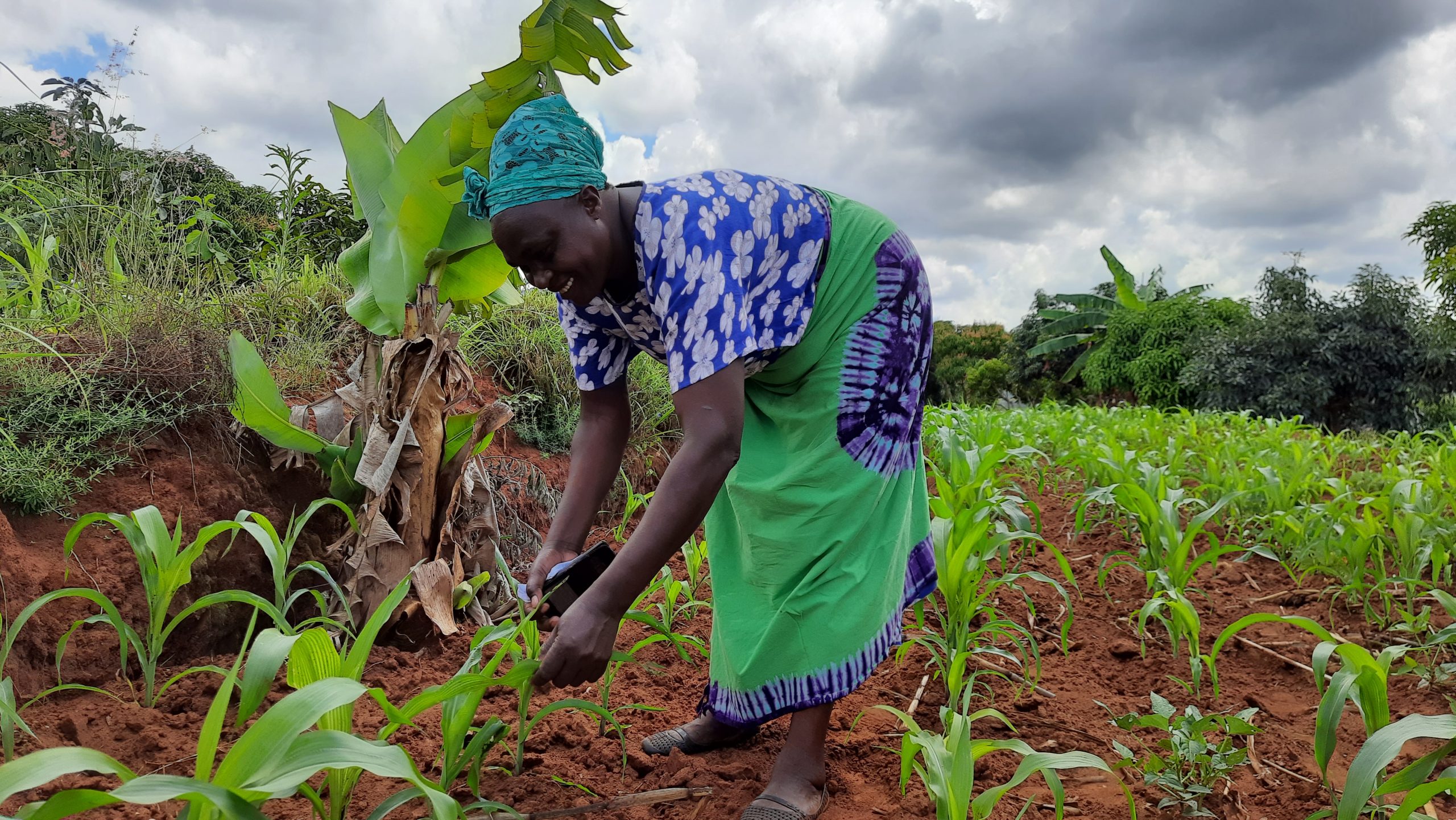
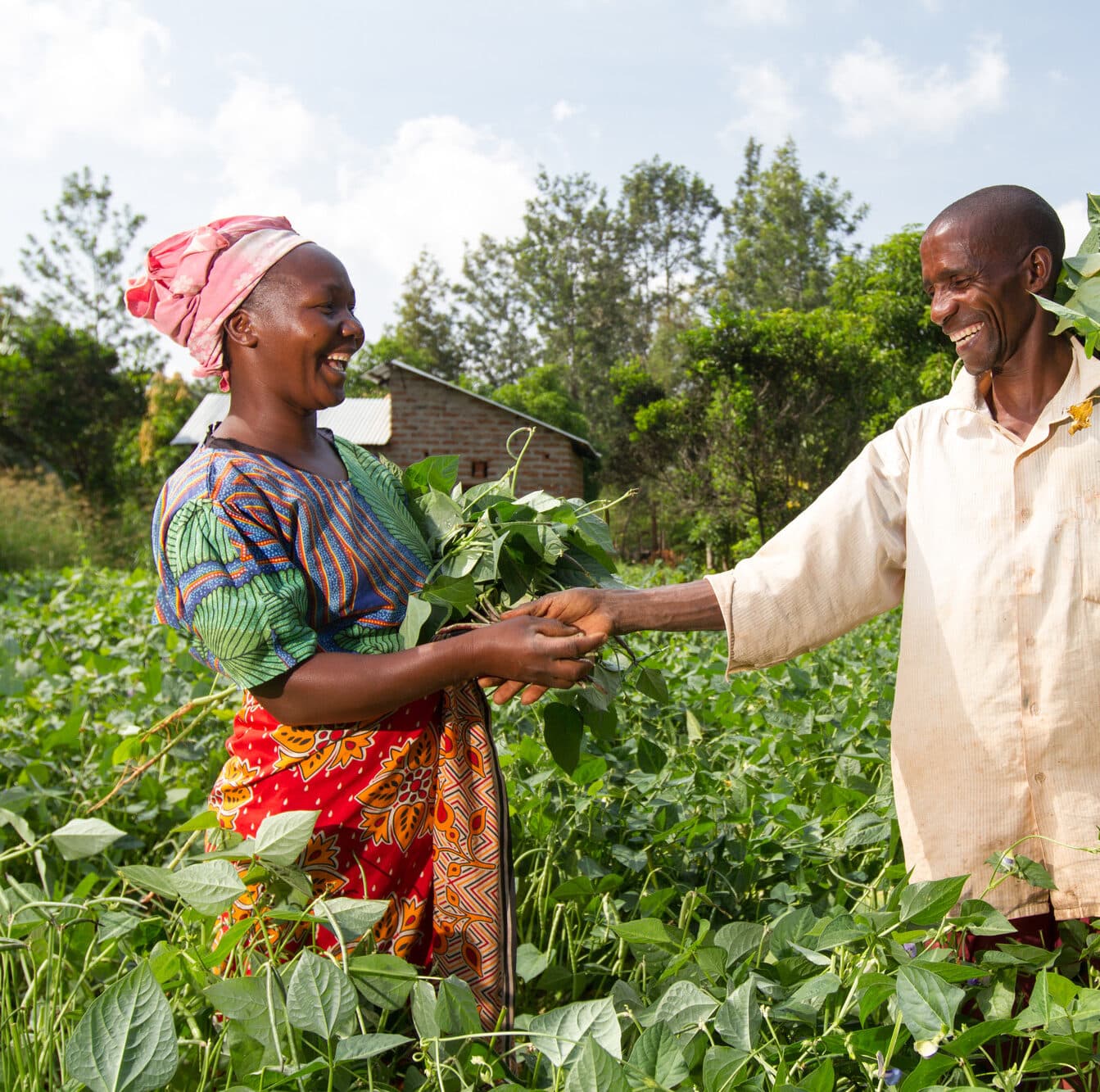
This initative addresses key aspects of food and nutrition security, including the core elements of accessibility, availability, stability, and utilization. ASHA also focuses on the nutritional needs of specific vulnerable groups, with targeted interventions such as school feeding programs, nutrition support for prisoners, and the provision of adequate food for refugees and Internally Displaced Persons (IDPs).
Seeds are the foundation of life and the cornerstone of any sustainable food system. Simply put: the right to seeds is linked to the right to food.
ASHA’s focus in this area includes critical issues such as genetically modified organisms (GMOs), intellectual property rights, and biosafety regulations. The organization actively supports policy development by advising the government on Biosafety Laws, Plant Variety Protection (PVP) Laws, and the formulation of a comprehensive National Seed Policy.
Food security is not just about agricultural production since most people cannot produce all the food they need. Trade and markets fundamentally affect the accessibility and availability of food for most people.
Strong and stable market signals, principally price, can stimulate supply and investment in improved quality or expanded capacity. Promoting infrastructure development and harmonized policies will enable a free flow of agricultural commodities primarily driven by market forces.
There is the need to structure trading systems and to strengthen the role farmer cooperatives and private collection centers play in aggregating and marketing crops and animal resources
ASHA looks at linking farmers produce with traders involved in exportation of agricultural produce through Market and Trade Information Systems (MTIS) to monitor the role and participation of youth and women involvement in global trade agreements and negotiations as well as policies and practices that affect food distribution in Rwanda.
Agricultural commodity markets are inherently risky and competitive, linked with surpluses and shortages in international, regional, and national markets, and characterized along the entire value chain by tight margins, in particular for staples. Profits are made by efficient handling (and processing) of large volumes, and adept risk management. Inefficient and weak value chains impede food productivity process. ASHA looks at addressing production issues through improved market information, promoting out-grower schemes, and strengthening the enforcement of contracts.
Large productivity gains can be made by reducing post-harvest handling losses – where an average of up to 30 per cent loss is experienced during the postharvest stage in Rwanda. Post-harvest handling is strengthened through the development of adequate capacities, technology, and infrastructure. In line with the National Post-Harvest Strategy, interventions include improved information and data on post-harvest losses along the entirety of prioritized value chains, technical capacity building at producer and first aggregator level, upgraded post-harvest technology, i.e. mechanization, industrial shelling and drying, logistics and management.